

Steering gear is a key component of a vessel’s maneuvering system, requiring reliability and precision. We offer professional steering gear service, including diagnostics, repairs, upgrades and class overhauls. With our experience and access to certified parts, we ensure the efficiency and safety of marine steering systems.
Steering gear service
We provide full support for:
Steering gear machinery diagnostics and inspections
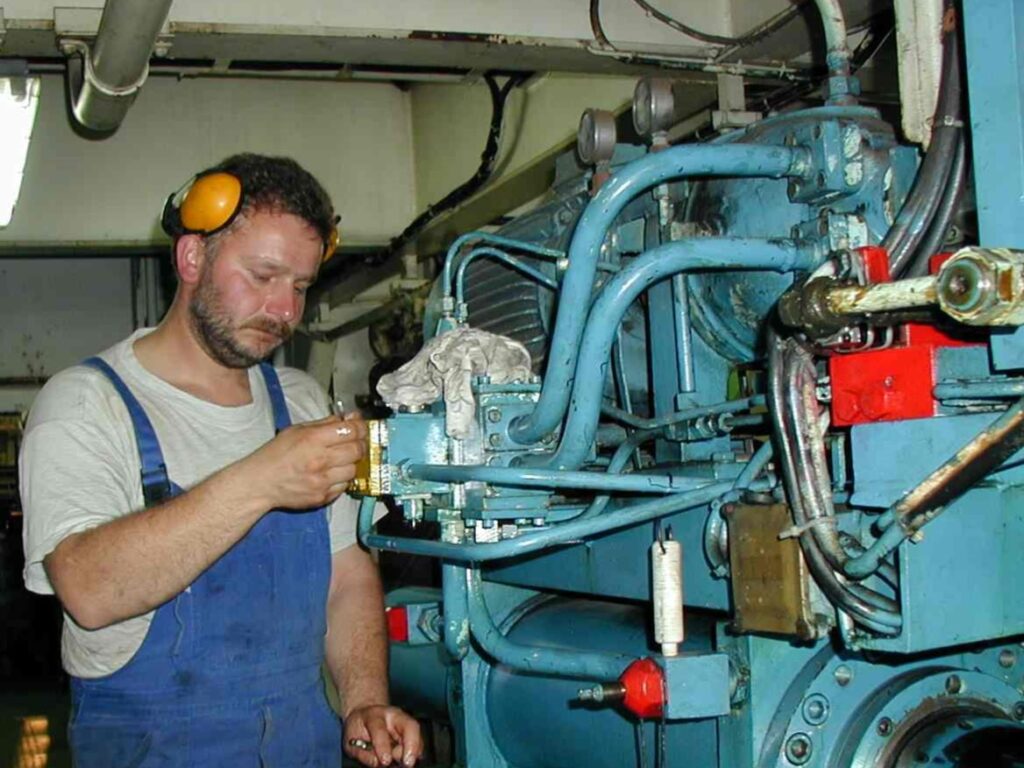
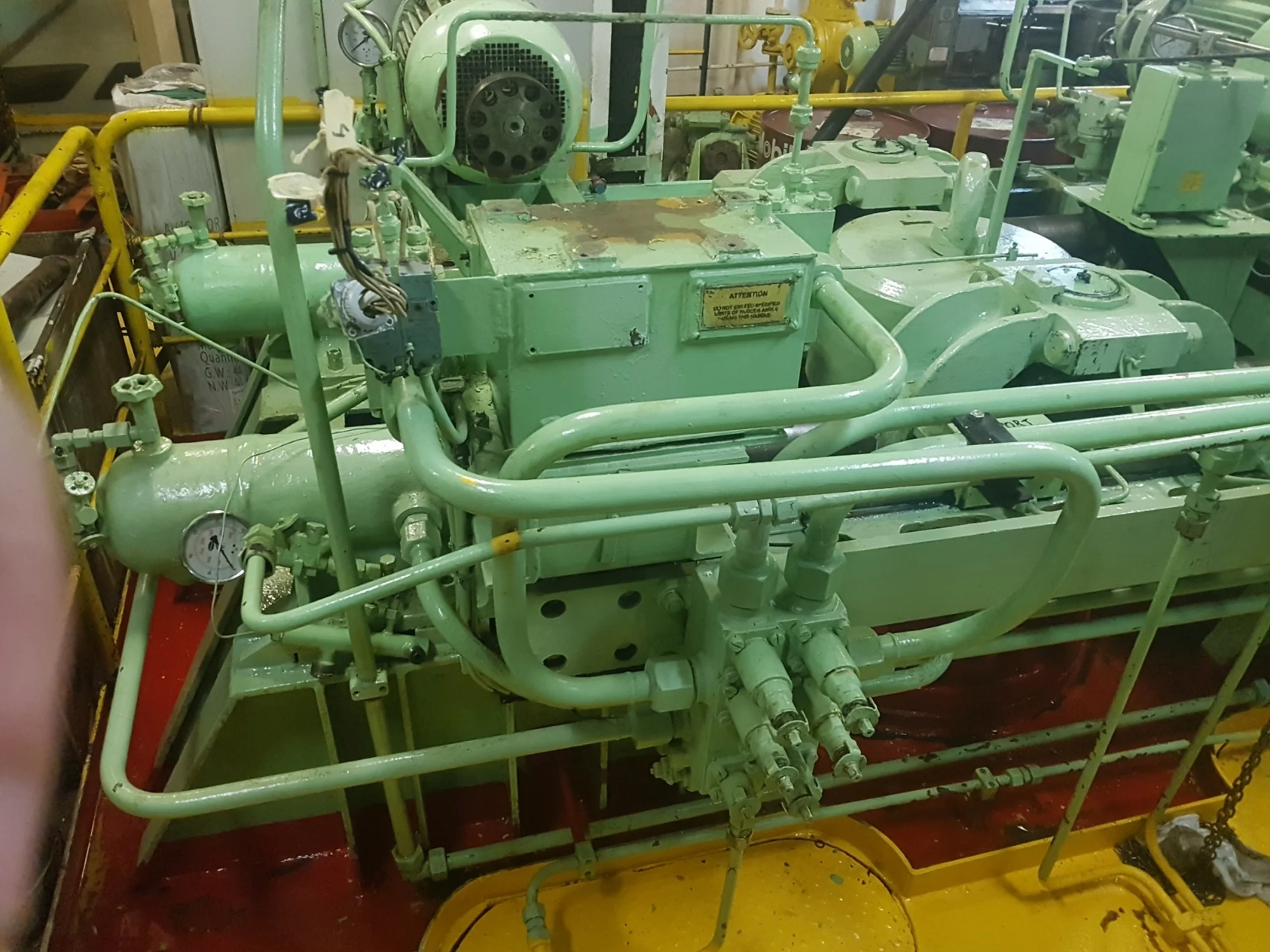
We carry out hydraulic tests, leakage verification, mechanism and bearing checks to ensure that the steering unit is functioning perfectly. We carry out a detailed verification of the condition of the feedback and adjustment of the hydraulic system, which allows for optimal operation of the equipment.
Class and other scheduled overhauls or emergency repairs
Class and other scheduled overhauls or emergency repairs – we offer replacement of major components such as seals, bearings and hydraulic motors, which are crucial to the efficiency of the rudder systems. We carry out full overhauls of the rudder machinery while the vessel is docked or in port and emergency repairs, which include the rapid rectification of faults such as leaks, mechanical failures, or malfunctions of the steering gear hydraulic system.
Adjustment and final testing of the steering machines
Adjustment and final testing of the steering g– once the repair is complete, we carry out fine-tuning of the feedback and leak tests to ensure that the steering gears are working properly.
The most common problems we solve are:
1. Leaks in the hydraulic system are some of the most common problems in steering gears, which can lead to serious failures. These include:
- Damage to seals and hydraulic lines causes working fluids to leak, reducing the efficiency of the system.
- Corrosion of metal components, especially when exposed to moisture or aggressive substances in the hydraulic system for long periods, can lead to compromised system integrity.
- Contamination in the system (e.g., dirt or rust) can damage seals, leading to leaks.
If leaks are detected, it is essential to quickly diagnose the cause and replace the damaged components to prevent further damage to the machine and avoid more serious failures that can stop the steering system from working.
2. A machine running too slowly can indicate several different technical problems such as:
- Problems with the hydraulic system, including incorrect operating pressure or insufficient hydraulic pump capacity. This can lead to slower operation of the entire steering system.
- Contaminated hydraulic fluid: If the hydraulic fluid contains contaminants, this can affect the flow and efficiency of the system, causing blockages in the system and accelerated wear of the working components of the steering gear.
- Insufficient adjustment of the hydraulic system – if the hydraulic system is not properly calibrated or the feedback settings are incorrect, this can also lead to slower or unstable operation of the steering gear.
- Wear on bearings and seals, can cause excessive friction, which also reduces performance by accelerating wear, increasing internal leakage and ultimately leading to the rudder machine becoming unstable.
If a problem is identified with slow machine operation or insufficient operating pressure, it is important to carry out a thorough hydraulic diagnosis, including adjustment of the hydraulic system, to restore the steering gear to full performance and prevent further component wear.
Each service performed is supported by a professional service report. Although we prefer to carry out repairs during certification overhauls, we can carry out a full overhaul in port if necessary. We service control equipment from market-leading manufacturers such as Rolls-Royce, Hydroster, Tenfjord, Frydenbo and Hatlapa.
Our services cover the full life cycle of steering gear, from hydraulic diagnostics, through class overhauls, to emergency repairs. We invite you to contact us. We guarantee experience and the highest quality technical services.




Why should You cooperate with us?

1
years of experience

1
countries we operate

1
projects realised

1
clients around the world

In house Tool shop
A Complete Workshop and Service Base
We have fully equipped, in-house workshop and storage halls, as well as dedicated test stations for repaired equipment. Additionally, our portable technical facilities enable us to provide servicing and repairs in ports and shipyards worldwide. We possess a range of diagnostic and measurement devices that allow us to conduct on-site diagnostics directly at the client’s location.
Our capabilities include:
- Mobile diagnostic workshop for hydraulic systems
- Mobile units and equipment for measuring oil contamination, flushing installations, and filtering oil using filtration units
- Load testing of cranes using Water Bags
FAQ – frequently asked questions
1. What functions does the steering gear perform?
The steering gear is responsible for controlling the rudder position via a hydraulic or electro-hydraulic system. Its performance determines the accuracy and repeatability of the vessel’s response to steering commands.
2. How is the scope of service work defined?
The scope of work is not fixed in advance. It primarily depends on the technical condition of the machine and findings during inspections. In practice, it may involve only inspection and adjustment, but it often results in the replacement of worn components or more extensive system overhauls.
3. In what cases is a steering gear overhaul necessary?
An overhaul is carried out when wear is detected in components affecting system performance, when leaks occur, when operating parameters decline, or during class inspections.
4. What are the most common causes of failures?
The most common issues include leaks in the hydraulic system, wear of seals and bearings, contamination of hydraulic oil, and corrosion of metal components.
5. What can cause a decrease in steering gear performance?
Possible causes include incorrect operating pressure, wear of the hydraulic pump, contaminated oil, or improper system adjustment. In each case, detailed diagnostics are required.
6. Are emergency repairs possible outside scheduled inspections?
Yes, repairs can also be carried out on an urgent basis—both in port and at a shipyard. The scope of work depends on the type of failure and available technical conditions.
7. What does steering system diagnostics include?
Diagnostics include verification of hydraulic system operating parameters, leak checks, assessment of mechanical component condition, and verification of proper operation of control and feedback systems.
8. Are tests performed after completion of the work?
Yes, every repair concludes with adjustment as well as functional and leak tests to confirm proper operation of the steering gear.
9. Does the service cover equipment from different manufacturers?
Yes, systems from multiple manufacturers are serviced. Experience with various technical solutions allows for effective handling of both standard and more complex tasks.
10. Is documentation prepared after the service is completed?
Yes, each job is documented in the form of a service report, which includes information about the work performed and the technical condition of the equipment.